

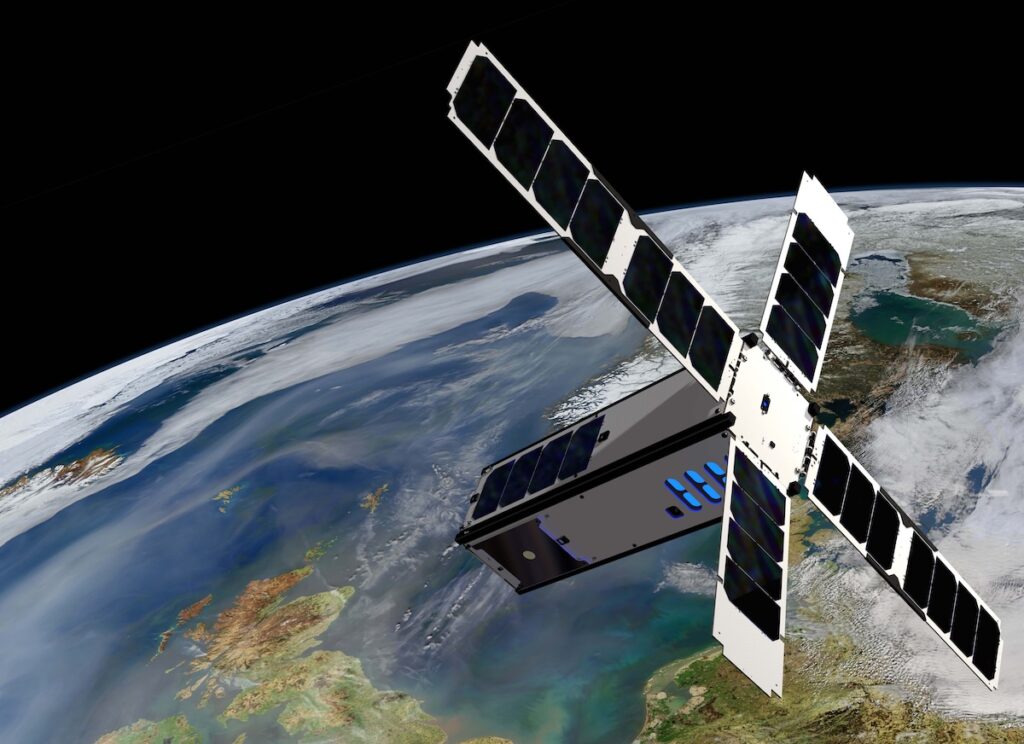
The first comprehensive evaluation of HawkEye, an ocean-color instrument aboard the SeaHawk CubeSat, shows that its imagery is suitable for remote-sensing work, according to a new paper led by University of Georgia Skidaway Institute of Oceanography (SkIO) postdoctoral researcher Srinivas Kolluru.
The SeaHawk CubeSat, which weighs about 11 pounds and is the size of a loaf of bread, was the first CubeSat in orbit dedicated to examining ocean color. Launched in 2018, it uses HawkEye to collect targeted, high-spatial-resolution images of inland, coastal and open ocean waters, and is a more affordable alternative to traditional satellites.
“This study was motivated by a desire to understand how good the data quality is,” said Kolluru, who is a member of SkIO faculty member Sara Rivero-Calle’s Bio-Optics and Satellite Oceanography Lab. “We wanted to know how well it compares with existing billion-dollar missions. We found that it compares well.”
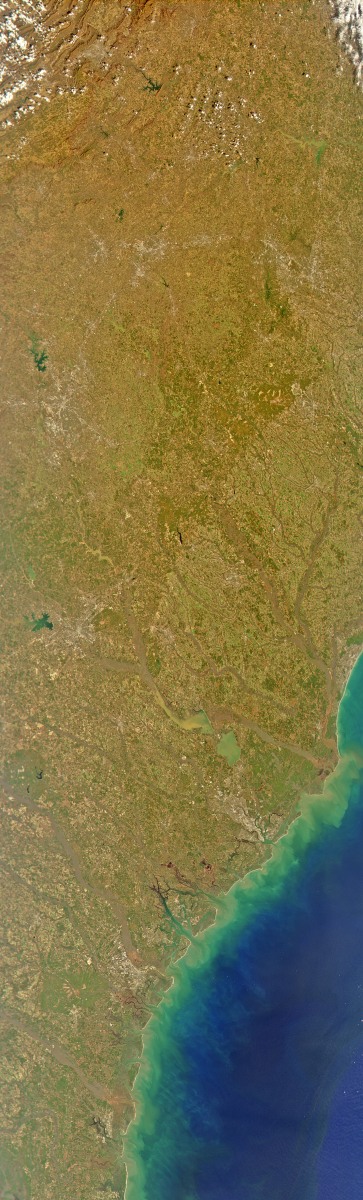
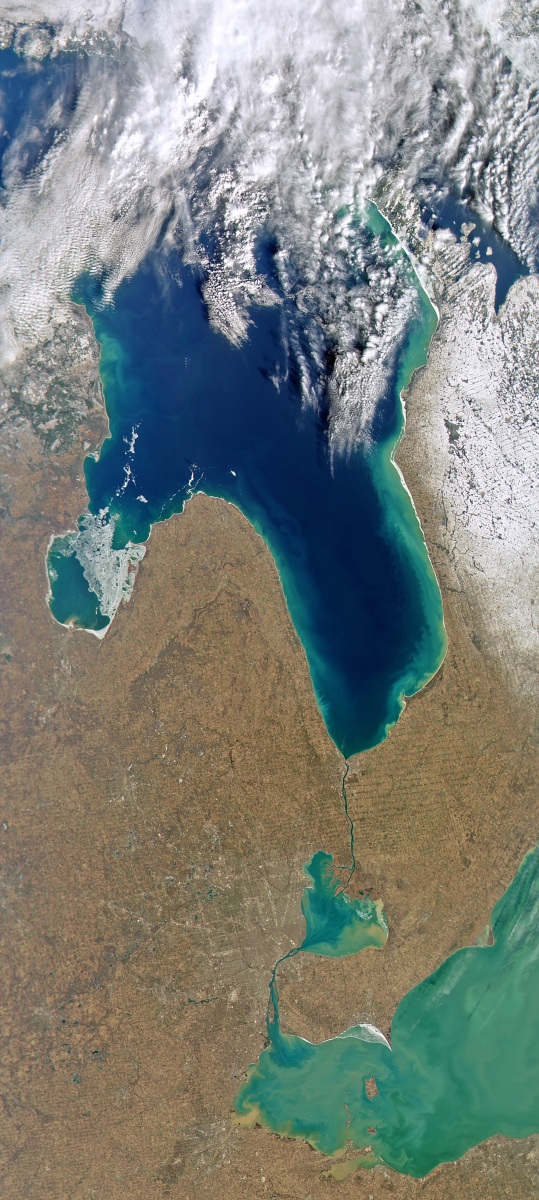


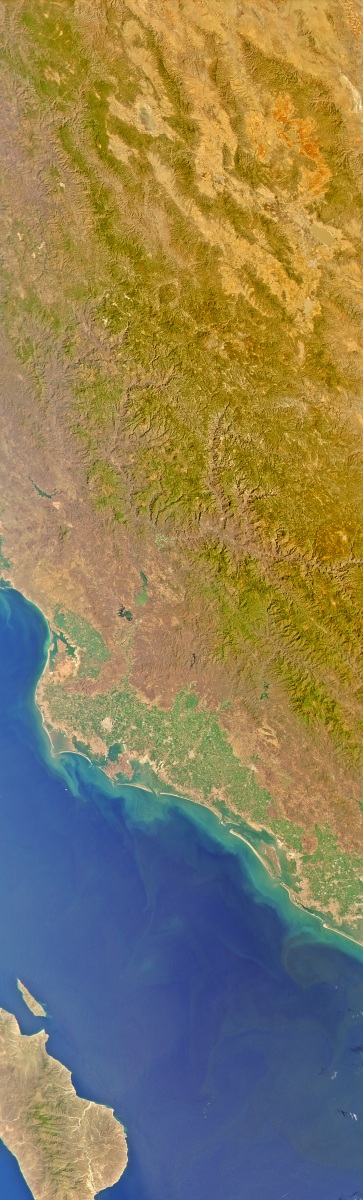
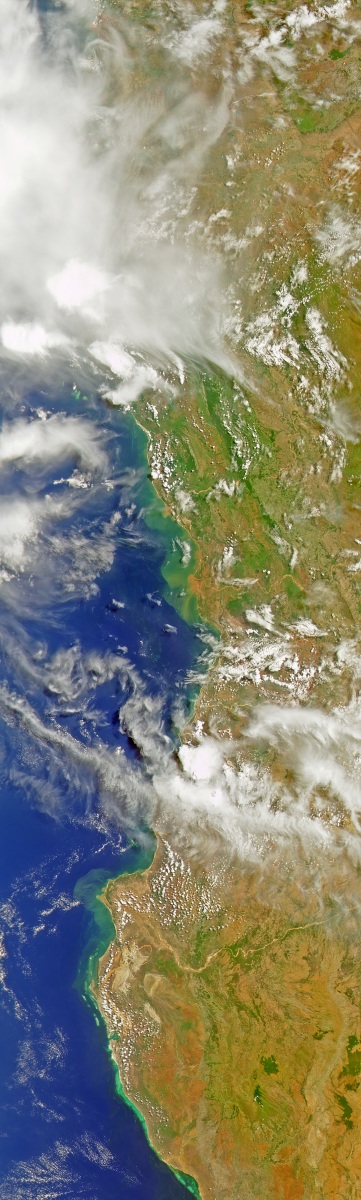

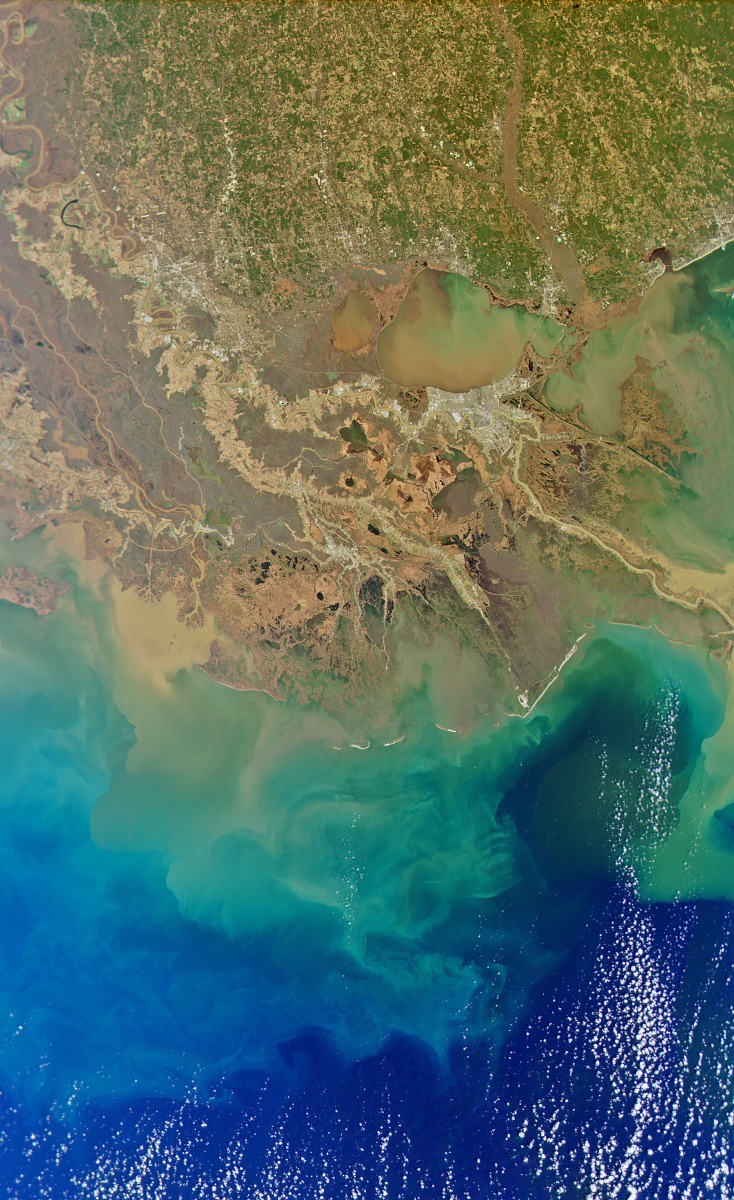
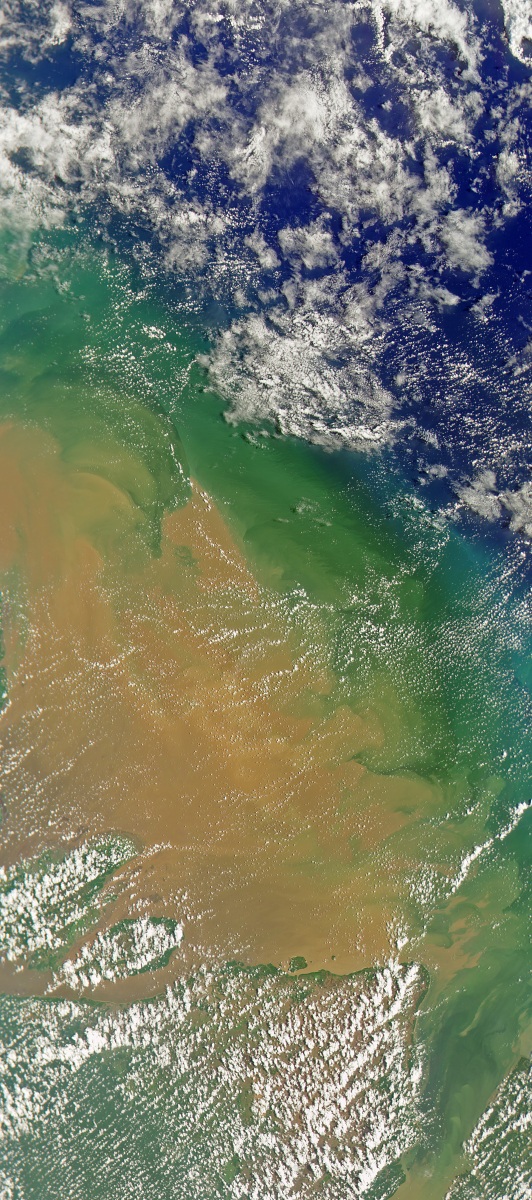
Above are examples of high-resolution images from SeaHawk’s HawkEye imager. Click on the images to expand them. To see more, visit the NASA Ocean Color website.
(Credit: Alan Holmes.)
Measuring ocean color is important because it gives scientists insight into the health of marine ecosystems. By analyzing the color of different areas of the ocean, scientists can determine an area’s amount of phytoplankton, which are crucial for marine food webs. Ocean color data can also help scientists assess water quality, track dangerous algal blooms and even understand the impacts of climate change.
“There is a lot of interest in CubeSat technology to obtain ocean observations, but the scientific community is still a bit skeptical about the quality of the data,” said Rivero-Calle, an assistant professor in the Department of Marine Sciences at UGA’s Franklin College of Arts and Sciences. “The SeaHawk mission was a one-of-a-kind proof of concept mission to demonstrate that we can provide high-resolution, high-quality data from a CubeSat, and we proved this.”
The data from HawkEye was validated by comparing its measurements to those from instruments on the ground. Numerous rigs, jetties and other stationary objects in the ocean have instruments attached to them that capture ocean color. The lab also used a spectral radiometer to validate data captured by HawkEye in set locations.
Learn more about the results by reading the full paper, titled “Accuracy of SeaHawk-HawkEye Ocean color CubeSat remote sensing reflectance products in globally distributed aquatic sites,” published in the journal Remote Sensing of Environment. This project was funded by the Gordon and Betty Moore Foundation and supported by a NASA Space Act Agreement.

About SkIO
The UGA Skidaway Institute of Oceanography (SkIO) is a multidisciplinary research and education institution located on Skidaway Island near Savannah, Georgia. The Institute was founded in 1967 with a mission to conduct research in all fields of oceanography. In 2013, SkIO was merged with the University of Georgia. The campus serves as a gateway to coastal and marine environments for programs throughout the University System. The Institute’s primary goals are to further the understanding of marine and environmental processes, conduct leading-edge research on coastal and marine systems, and train tomorrow’s scientists.
One comment on “Study confirms accuracy of SeaHawk CubeSat’s HawkEye ocean color data”
Comments are closed.