

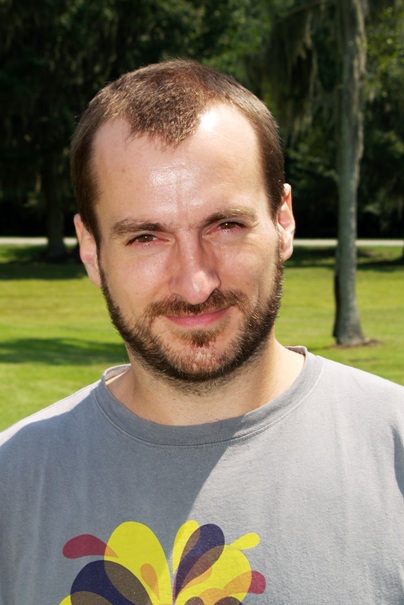
Aron Stubbins
Skidaway Institute of Oceanography researchers Aron Stubbins and Marc Frischer have been awarded a research grant from the National Science Foundation for $224,037 to study the origins of organic carbon in glaciers. Stubbins and Frischer are part of an international team working on the two-year project.
Glaciers and ice sheets represent the second largest reservoir of water in the global hydrologic system. Although, the carbon contained in the glacial ice is a major contributor to the downstream ecosystems, the dynamics of glacial biogeochemistry are poorly understood. Much of the carbon has been thought to have come from ancient peat lands and forests overrun by the glaciers. However, recent research by Stubbins and his colleagues challenges that explanation. They hypothesize that the main source is atmospheric carbon from the combustion of fossil fuels and biomass.
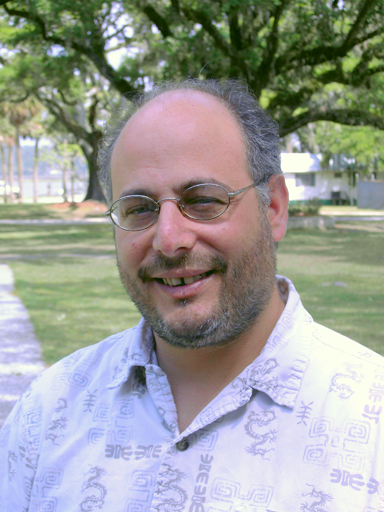
Marc Frischer
The proposed work will determine the extent to which fossil fuels contribute to the dissolved organic material (DOM) in the glaciers. They will verify the age and stability of the glacial DOM and quantify the extent to which it is being exported to downstream ecosystems.
Stubbins and Frischer will be working with other scientists, including Robert Spencer, Woods Hole Research Center; Eran Hood, University of Alaska Southeast; Peter A. Raymond, Yale University; Greg Kok, Droplet Measurement Technologies; and Thorsten Dittmar, Max Planck Group for Marine Geochemistry, Oldenburg, Germany.